

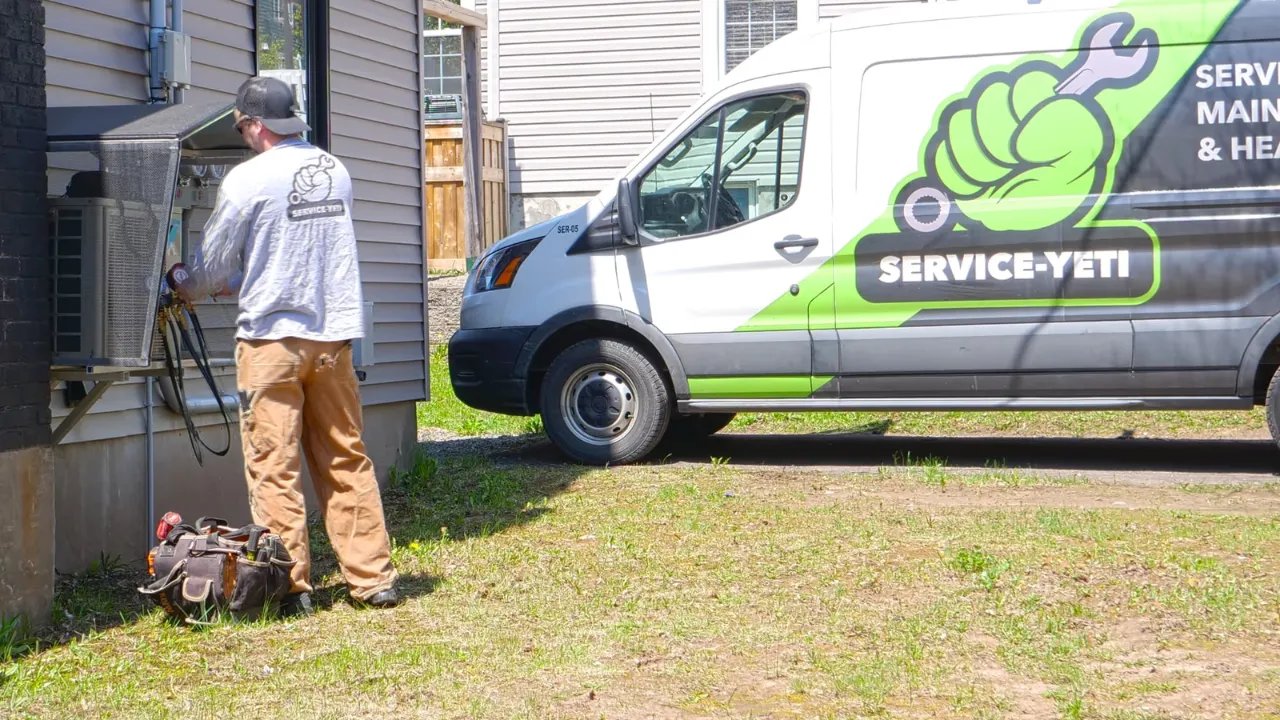
Choosing a home heating and cooling system requires careful consideration of comfort, energy use, installation costs and long-term maintenance. For Surrey homeowners, a heat pump can provide heating during cooler months and cooling during warmer weather. Understanding property requirements, equipment options and installation considerations can help households make informed decisions before upgrading their HVAC systems.
Table of Contents
- 1. Understand How Heat Pumps Work in Surrey
- 2. Choose the Right Heat Pump System
- 3. Assess Insulation and Heating Requirements
- 4. Understand Heat Pump Installation in Surrey Costs and Permits
- 5. Consider Indoor Air Quality and Ventilation
- 6. Explore Solar Panels Alongside a Heat Pump
- 7. Choose a Qualified Installation Professional
- 8. Plan for Long-Term Maintenance
- Frequently Asked Questions
- Can heat pump installation in Surrey improve year-round comfort?
- How do I choose the right heat pump size?
- Can a heat pump replace an existing furnace?
- Can solar panels help offset heat pump electricity use?
- Do heat pumps require regular maintenance?
- What should I ask before hiring a heat pump installer?
- Frequently Asked Questions
- Conclusion
1. Understand How Heat Pumps Work in Surrey
Heat pumps transfer heat between indoor and outdoor spaces rather than generating heat directly through electrical resistance. During winter, they extract available heat from outdoor air and transfer it indoors. In summer, the process reverses, helping remove indoor heat and maintain comfortable temperatures.
Surrey’s coastal climate makes air-source heat pumps worth considering for many residential properties. However, damp weather, occasional freezing temperatures and changing seasonal conditions can influence system performance.
Before proceeding with heat pump installation in Surrey, homeowners should compare equipment performance ratings, particularly those indicating how efficiently a model operates in colder conditions. A qualified installer can assess the property’s heating requirements and explain whether supplementary heating may be appropriate.
2. Choose the Right Heat Pump System
Different homes require different heating and cooling arrangements. The two common air-source options are ducted and ductless systems.
Ducted heat pumps
Ducted systems distribute conditioned air through existing ductwork. They may suit homes with an established central heating system, provided the ducts are in suitable condition and can accommodate the required airflow.
An inspection can identify leaks, restricted airflow and insulation issues that may affect performance. Addressing these problems before installation can help improve comfort throughout the home.
Ductless mini-split systems
Ductless mini-splits use indoor units connected to an outdoor unit. They can be suitable for homes without ductwork, room additions, renovated spaces or areas that require separate temperature controls.
The number and placement of indoor units should reflect room size, insulation, window exposure and household usage. Comparing ducted and ductless systems helps homeowners understand the differences in installation requirements, comfort and ongoing maintenance.

3. Assess Insulation and Heating Requirements
Selecting the correct equipment capacity is essential. An undersized heat pump may struggle to maintain the desired temperature during colder weather, while an oversized system may cycle frequently and provide less consistent comfort.
A professional assessment should consider:
- Floor area, ceiling height and room layout.
- Insulation levels, window efficiency and air leakage.
- Existing heating equipment and ductwork condition.
- Household occupancy and temperature preferences.
- Electrical capacity and suitable equipment locations.
A heat-load calculation provides a more reliable basis for equipment selection than floor area alone. It helps establish the heating and cooling capacity required for the property.
Homeowners should also identify draughts, cold rooms and condensation concerns before installation. Improving insulation and air sealing where necessary may reduce heat loss and help the new system operate under more suitable conditions.
4. Understand Heat Pump Installation in Surrey Costs and Permits
The cost of heat pump installation in Surrey depends on several factors, including equipment capacity, system type, indoor unit count, electrical upgrades and modifications to existing ductwork.
When comparing quotations, request an itemized breakdown covering equipment, labour, electrical work, installation materials, commissioning and warranty terms. Ask whether additional charges could apply if unexpected electrical or structural work becomes necessary.
Electrical requirements vary by equipment model. A qualified professional should assess the home’s electrical service and arrange any necessary work through appropriately qualified personnel.
Homeowners should also confirm applicable permits, inspections and local requirements before work begins. In British Columbia, permit obligations can depend on the work being completed, so verify the current requirements with the relevant authorities.
Government rebates and incentive programmes may also change. Check official programme information for current eligibility conditions, approved equipment requirements and application deadlines rather than assuming a particular installation will qualify.
5. Consider Indoor Air Quality and Ventilation
Heating and cooling equipment is only one part of a comfortable home. Ventilation, humidity management and filtration can also influence indoor conditions. Bathrooms, kitchens and laundry areas produce moisture that needs to be managed appropriately. Poor ventilation may contribute to condensation and dampness, while inadequate filtration and maintenance can affect indoor air quality.
Before upgrading a heating system, assess existing ventilation equipment, accessible filters and areas where moisture accumulates. Some properties may benefit from improved ventilation or a heat recovery ventilator, depending on their construction and air exchange requirements.
An experienced HVAC contractor in Surrey can help homeowners understand how heating equipment, airflow and ventilation work together. Discuss which improvements should be completed before installation and which can be addressed separately.
6. Explore Solar Panels Alongside a Heat Pump
Homeowners planning an energy upgrade may also consider solar electricity. Solar panels in Surrey can generate electricity from sunlight and may offset part of a household’s electricity consumption, depending on the system’s output and the home’s energy use.
Actual generation depends on roof orientation, shading, system capacity, weather and seasonal daylight. Solar output generally varies throughout the day and year, while heating demand can remain high during darker winter months.
Before investing, review the roof’s condition, available installation space, expected electricity production and applicable utility billing arrangements. Compare estimated annual solar generation with household electricity consumption, including the additional demand associated with heating and cooling.
Homeowners considering both technologies should request separate cost estimates and a realistic assessment of how the systems may work together. This makes it easier to compare upfront costs and potential long-term benefits without assuming guaranteed savings.
7. Choose a Qualified Installation Professional
The quality of installation affects system operation, comfort and ongoing maintenance requirements. Homeowners should verify relevant qualifications, insurance, permit responsibilities and experience with the proposed equipment.
When evaluating an HVAC contractor in Surrey, ask for an explanation of the recommended system capacity, equipment specifications and installation process. A suitable proposal should reflect the property’s individual requirements rather than relying solely on a standard package.
It is also worth asking how the system will be tested after installation, how the thermostat works and what maintenance the homeowner must complete. Clear documentation of equipment specifications, warranties and service requirements can make future upkeep easier. Greenfoot Energy Solutions offers heat pump installation, repair and maintenance services in Surrey. Homeowners can review the available service information and discuss their property’s heating and cooling needs before deciding which system is appropriate.
8. Plan for Long-Term Maintenance
Regular maintenance helps identify issues that may affect a heat pump’s performance. Homeowners should follow the manufacturer’s instructions for cleaning accessible filters and keeping the outdoor unit clear of leaves and other debris.
Periodic professional servicing may include checking coils, electrical connections, condensate drainage and general system operation. The recommended schedule depends on the equipment and its operating conditions.
Pay attention to unusual noises, reduced airflow, water leakage or unexpected changes in electricity consumption. These signs do not necessarily indicate a major fault, but professional assessment can help identify the cause.
Before completing heat pump installation in Surrey, ask about maintenance requirements, warranty coverage and recommended service intervals. Keeping installation documents and equipment information in an accessible place can also simplify future repairs.
Frequently Asked Questions
Can heat pump installation in Surrey improve year-round comfort?
A properly selected heat pump can provide heating during cooler months and cooling during warmer weather. Correct sizing and professional heat pump installation in Surrey are important for consistent indoor comfort.
How do I choose the right heat pump size?
The correct capacity depends on heat loss, insulation, windows, room layout and local weather conditions. Ask a qualified professional to assess your home’s heating and cooling requirements before selecting equipment.
Can a heat pump replace an existing furnace?
A heat pump may replace a furnace in some homes, while others may benefit from a hybrid system. The appropriate option depends on the property’s heating needs, existing infrastructure and equipment performance.
Can solar panels help offset heat pump electricity use?
Solar panels may offset some household electricity consumption, depending on generation and usage patterns. Compare expected solar output with annual electricity demand before deciding whether the combined investment suits your home.
Do heat pumps require regular maintenance?
Yes. Homeowners should maintain accessible filters and keep outdoor equipment clear according to manufacturer instructions. Professional servicing can help identify airflow, drainage, electrical and performance concerns.
What should I ask before hiring a heat pump installer?
Ask about qualifications, insurance, permits, equipment sizing, itemized costs, commissioning and warranty coverage. Written answers make it easier to compare quotations and understand the scope of work.
Conclusion
Heat pump installation in Surrey involves more than selecting equipment; it requires an understanding of the property’s heating requirements, insulation, ventilation, electrical capacity and long-term maintenance needs. Surrey homeowners can make more informed decisions by comparing ducted and ductless systems, reviewing installation costs and considering whether solar electricity fits their energy goals. A property-specific assessment and clear written quotation help establish realistic expectations for comfort, performance and ongoing costs.
Planning a home heating or cooling upgrade? Explore the Surrey service location to learn more about available heat pump services, review local information and find directions to the Greenfoot Energy Solutions office.
