Outdoor activities such as hiking, camping, boating, fishing, and recreational projects require dependable equipment. Among the many tools used outdoors, rope is one of the most versatile. From securing equipment and setting up camp to completing landscaping and utility projects, the right rope can significantly improve performance and reliability.
Choosing a quality rope means considering more than strength alone. Material, construction, flexibility, stretch, weather resistance, and intended use all influence how well a rope performs. In this guide, we’ll explain the key characteristics to look for and how to choose the right option for your outdoor needs.
Table of Contents
Why Quality Rope Matters
A properly selected rope can perform reliably across a wide range of outdoor tasks. Poorly suited or damaged rope may wear out faster, become difficult to handle, or fail to perform as expected under certain conditions.
The right rope should match the application’s demands. For example, a lightweight rope may be convenient for camping and general utility work, while marine applications may require greater resistance to moisture and environmental exposure.
When selecting rope, consider the intended use, expected load, environmental conditions, and manufacturer’s specifications. RopeHub offers a variety of rope options designed for different projects and applications.
Key Features of a Quality Rope
Strength and Durability
Strength is an important consideration when choosing rope. A rope should match the load and conditions it will be used in. Durable construction can also help the rope withstand regular handling, abrasion, and outdoor exposure.
For demanding applications, always check the manufacturer’s specifications and rated capacity rather than assuming that a rope is suitable based only on its appearance or diameter.
Flexibility and Handling
Flexibility affects how easily a rope can be tied, coiled, stored, and handled. A rope that is easy to work with can be particularly useful for camping, landscaping, boating, and general utility projects.
The ideal level of flexibility depends on the application. Some tasks require a softer, more manageable rope, while others may benefit from a rope designed to maintain shape and minimize stretch.
Weather and Environmental Resistance
Outdoor rope can be exposed to sunlight, moisture, temperature changes, dirt, and abrasion. Choosing a material with properties suited to the environment can help improve service life.
Synthetic ropes such as polyester, polypropylene, and polyethylene offer different levels of resistance to moisture, UV exposure, and other environmental conditions. Natural-fiber ropes, meanwhile, may be preferred when appearance and traditional characteristics are important.
Suggested Products for Outdoor Enthusiasts
Twisted Polyester Dacron Rope
Twisted Polyester Dacron Rope is a versatile option for a variety of outdoor and general-purpose applications. Its polyester outer fibers and Polyolefin core provide a combination of lightweight handling, low stretch, and durability.
This type of rope can be useful for camping, fishing, hunting, cargo tie-downs, ladder ropes, railings, jungle gyms, and obstacle-course projects.

Key Features
- Lightweight construction
- Low stretch
- Durable Dacron polyester outer fibers
- Resistance to moisture and abrasion
- Suitable for indoor and outdoor applications
- Easy to handle and grip
Available Options
- Color: White with Red Tracer
- Diameter: 1/4 inch
- Length: 25 ft
When selecting rope for a specific task, always confirm that its construction and specifications match the intended application.
Twisted Manila Rope
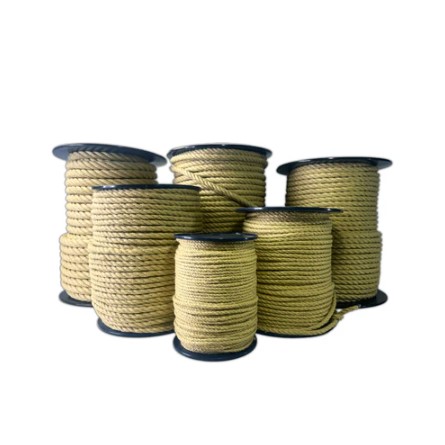
Twisted Manila Rope is a natural-fiber option with a traditional appearance. Its natural tan color makes it well-suited for landscaping, decorative projects, railings, decking, and other applications where appearance matters.
Manila rope can also be used for selected boating and recreational applications. However, natural fibers have different moisture and environmental characteristics than synthetic ropes, so proper storage and application-specific care are important.

Key Features
- Natural-fiber construction
- Traditional appearance
- Suitable for landscaping and decorative projects
- Available in multiple diameters
- Useful for selected outdoor and recreational applications
Available Options
- Color: Natural Tan
- Diameters: 1/4 inch to 3 inches
- Lengths: 10 ft to 1,200 ft
Important Considerations
Manila rope isn’t suitable for every application. It has limited resistance to rot, mildew, acids, alkalis, oils, and gases, so consider the operating environment before purchase.
Common Applications for Outdoor Rope
Camping and Outdoor Recreation
Rope can be useful around a campsite for securing tarps, organizing equipment, setting up temporary structures, and completing other utility tasks. Lightweight and flexible rope is often convenient because it is easy to carry, store, and handle.
For applications involving food or wildlife, use appropriate storage and safety practices rather than relying on rope alone to protect supplies.
Boating and Water Activities
Marine environments can place additional demands on rope because of water, sunlight, salt, and repeated handling. Depending on the application, buoyancy, moisture resistance, strength, stretch, and abrasion resistance may all matter.
The right rope depends on the specific boating or water-based task, so always choose a product for its intended use and according to the manufacturer’s specifications.
Landscaping and Outdoor Projects
Rope is also useful for landscaping, garden structures, decorative installations, railings, and other outdoor projects. Natural-fiber rope can provide a traditional appearance, while synthetic rope may be preferable when moisture resistance and durability are priorities.

How to Choose the Right Rope
Consider the Application
Start by identifying exactly what the rope needs to do. A rope used for camping may have different requirements from one used for marine, landscaping, or utility applications.
Ask yourself:
- What will the rope be used for?
- What load will it need to handle?
- Will it be exposed to water or sunlight?
- Is flexibility or low stretch more important?
- How frequently will it be used?
- Does the application have specific safety requirements?
Choose the Right Material
Different rope materials have different characteristics. Polyester is known for low stretch and good environmental resistance, while polypropylene is lightweight and buoyant. Polyethylene can also work for select marine and utility applications, while Manila provides a traditional natural-fiber look.
Understanding these differences helps you choose a rope based on actual requirements rather than simply picking the most affordable option.
Check Construction and Specifications
Rope construction can influence strength, flexibility, stretch, abrasion resistance, and handling. Before purchasing, review the product specifications and make sure the rope is designed for the intended application.
For safety-critical activities, such as climbing or rescue, use equipment specifically rated and designed for that purpose. Do not automatically substitute general-purpose rope for specialized safety equipment.
How to Maintain Your Rope
Proper storage and regular inspection can help extend a rope’s usable life.
Before and after use, check for visible signs of damage such as:
- Fraying
- Cuts or excessive abrasion
- Discoloration
- Chemical damage
- Significant deformation
- Other signs of deterioration
Keep rope clean and dry when appropriate, and store it away from unnecessary sunlight, chemicals, excessive moisture, and extreme temperatures. Follow the manufacturer’s care and storage recommendations for the specific rope material.
If a rope shows significant damage or is no longer suitable for its intended application, replace it rather than continuing to use it.

Find the Right Rope for Your Project
Explore RopeHub’s selection of durable ropes for outdoor, marine, landscaping, utility, and recreational applications. Compare materials, sizes, and specifications to find the right rope for your needs.
FAQs
Why is quality rope important for outdoor activities?
Quality rope can provide the strength, durability, handling characteristics, and environmental resistance needed for a particular application. The best rope depends on the activity, conditions, and the manufacturer’s specifications.
What should I look for in camping rope?
For camping and general outdoor use, consider a rope that is lightweight, durable, flexible, and easy to handle. Depending on the application, visibility, moisture resistance, and available lengths may also be important.
How can I make my rope last longer?
Inspect the rope regularly, clean it according to the manufacturer’s recommendations, and store it in a suitable dry location away from unnecessary UV exposure and chemicals. Replace rope that shows significant damage or deterioration.
Can I use any rope for water activities?
No. Different water-based applications have different requirements. Consider factors such as buoyancy, moisture resistance, strength, stretch, and abrasion resistance before selecting a rope. Always check the product specifications for the intended application.
How do I choose between natural and synthetic rope?
Natural-fiber rope can be a good option when appearance and traditional characteristics are important. Synthetic ropes may offer advantages such as moisture resistance, low stretch, buoyancy, or improved resistance to certain environmental conditions. The right choice depends on the project’s requirements.
Final Thoughts
Choosing the right rope starts with understanding how and where you’ll use it. Strength, flexibility, material, construction, stretch, and environmental resistance can all affect rope performance.
Whether you’re preparing for a camping trip, working on a landscaping project, handling marine equipment, or doing a general utility task, taking time to choose the right rope can help you get more reliable results.
At RopeHub, you can explore rope options for a variety of outdoor, utility, marine, and recreational applications. Review each product’s specifications and choose the rope that best matches your project’s requirements.