Table of Contents
- When Does a Dog Actually Become Senior?
- What Changes in a Senior Dog’s Body
- Why Annual Vet Visits Are No Longer Enough
- The Senior Wellness Exam: What It Actually Covers
- Arthritis and Pain: The Senior Dog Conversation Most Owners Avoid
- FAQs
- My dog seems fine. Do I really need to switch to twice-yearly vet visits?
- What age should I start senior bloodwork for my dog?
- My dog is slowing down, but the vet said everything looks normal. What should I do?
- How do I know if my senior dog is in pain?
- Is it too late to start senior care if my dog is already very old?
- Your Senior Dog Deserves More Than Just Getting By
Most dog owners do not wake up one day and think, My dog is a senior now. It happens gradually. The morning walks get a little shorter. Your dog takes a few extra seconds getting up from the floor. The enthusiasm for the stairs is not quite what it used to be. And somewhere between noticing these small changes and wondering if they are normal, a lot of owners miss the window where early action makes the biggest difference.
If you have a dog approaching middle age or one who is already well into their later years, understanding when the senior stage actually begins and what that means for how you care for them is one of the most valuable things you can do as a pet owner. The answer is not the same for every dog, and that is where a lot of the confusion starts.
For dog owners looking into senior pet care in Encino, the good news is that the shift to senior-focused veterinary care does not have to be complicated. It just needs to happen at the right time and with the right level of attention to what is actually changing in your dog’s body.
When Does a Dog Actually Become Senior?
The old rule of thumb that one dog year equals seven human years has been largely set aside by veterinary medicine. The reality is more nuanced and more dependent on breed size than most owners realize.
Small breeds, such as Chihuahuas, Dachshunds, and Shih Tzus, tend to live longer and do not typically enter their senior years until around nine or ten. Medium-sized dogs like Cocker Spaniels and Border Collies generally hit senior status around seven or eight. Large breeds such as Labrador Retrievers, Golden Retrievers, and German Shepherds are considered senior as early as seven. And giant breeds like Great Danes, Saint Bernards, and Mastiffs can be in their senior years by five or six.
This matters because a seven-year-old Chihuahua and a seven-year-old Great Dane are in completely different stages of life, even though they share a birthday. The Great Dane needs senior-level monitoring years before the Chihuahua does, and treating them the same way medically is one of the most common mistakes owners and even some general practices make.
If you are not sure where your dog falls on that spectrum, your vet can give you a clear answer based on breed, current weight, and health history.
What Changes in a Senior Dog’s Body
Once a dog enters their senior years, several things start happening internally that are not always visible from the outside. This is actually the central challenge of senior dog health monitoring, because dogs are instinctively good at hiding discomfort and masking early signs of illness.
Kidney function tends to decline gradually with age, often with no obvious symptoms until a significant percentage of function has already been lost. Liver enzyme levels shift. Thyroid issues become more common, particularly in certain breeds. Blood pressure can rise. Dental disease, which has been quietly building for years, starts causing real pain. Joints that seemed fine at six can develop meaningful arthritis by eight.
None of these changes announce themselves loudly. They show up in bloodwork, in urine analysis, in the way a dog moves across a room, and in the small behavioral shifts that owners often chalk up to the dog just getting older. Sometimes that is true. But sometimes what looks like slowing down is actually pain that can be treated, or a thyroid imbalance that can be corrected, or early kidney disease that can be managed far more effectively when caught at stage one than at stage three.
Why Annual Vet Visits Are No Longer Enough
This is the part of senior dog vet care in Encino that surprises most owners when they first hear it. For adult dogs in their prime years, an annual wellness exam is generally sufficient to stay on top of health. But once a dog enters their senior years, the standard recommendation from most veterinary organizations shifts to twice a year.
The reason is straightforward. A year is a long time in a senior dog’s life. Conditions that are caught and managed at a six-month exam can progress significantly if left unmonitored for twelve. Kidney disease, heart disease, and certain cancers move fast in older dogs. A biannual exam with bloodwork gives the vet a running picture of what is changing and how quickly, which is entirely different from a single annual snapshot.
Think of it this way. If your dog’s kidney values are slightly elevated in January and you come back in December, the values at that December visit tell you where things are now but nothing about the pace of change. If you come back in July instead, the vet can see whether those January numbers held steady, improved with dietary changes, or are moving in a direction that needs intervention. That six-month comparison is where early detection actually lives.
The Senior Wellness Exam: What It Actually Covers
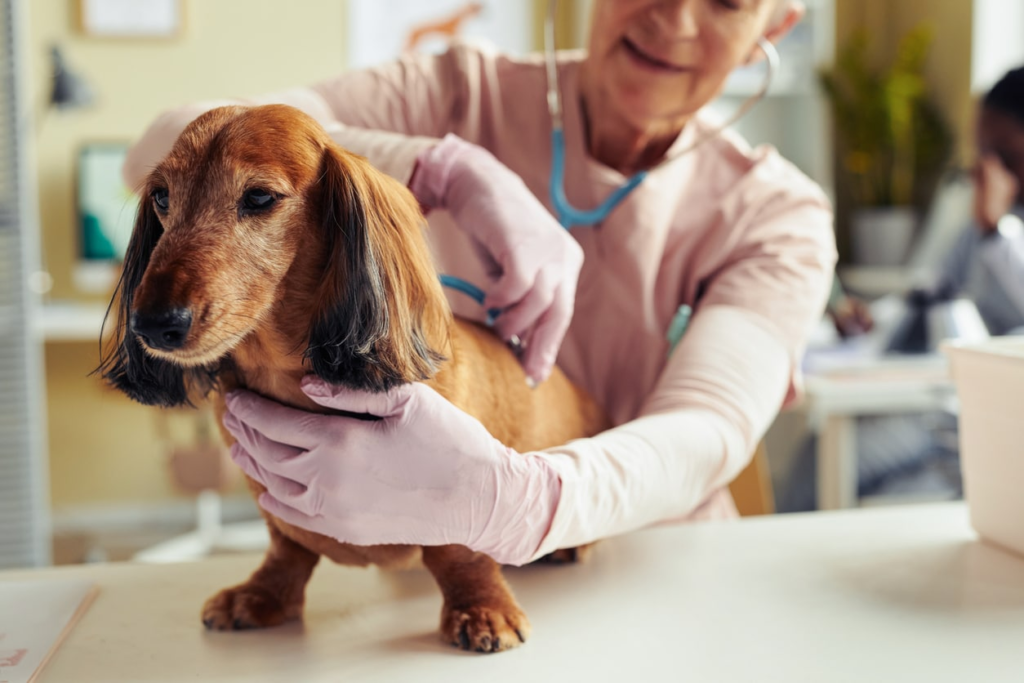
A senior wellness exam is not simply a regular checkup with a different name. When done properly, it covers considerably more ground than a standard adult wellness visit and takes meaningfully longer.
Beyond the physical examination itself, a proper senior dog wellness exam in Encino should include:
- A complete blood count and chemistry panel to evaluate organ function, red and white blood cell levels, and key metabolic markers
- Thyroid testing, which is particularly important for breeds prone to hypothyroidism and for any dog showing unexplained weight gain, lethargy, or coat changes
- Urinalysis to assess kidney concentrating ability and catch early signs of urinary tract disease or diabetes
- Blood pressure measurement, since hypertension in senior dogs is more common than most owners expect and often goes undetected without direct measurement
- A joint and mobility assessment where the vet moves through each major joint, watches the dog walk, and scores mobility against a standardized scale
- A cognitive assessment looking for early signs of Cognitive Dysfunction Syndrome, which affects a significant percentage of dogs over twelve
- Cardiac auscultation to listen for new or changing heart murmurs, which become more common with age
This is a meaningful amount of information gathered in a single visit, and it gives both the vet and the owner a clear, documented baseline to measure against at the next visit six months later.
Arthritis and Pain: The Senior Dog Conversation Most Owners Avoid
One of the most important and most frequently delayed conversations in senior dog care is about pain. Specifically, about whether a dog who seems to be slowing down is actually experiencing pain that could be treated.
Dogs do not whimper and limp dramatically when they are in chronic pain, the way humans might expect them to. Instead, they stop jumping onto the sofa they used to love. They hesitate at the top of the stairs. They get up slowly in the morning and are stiff for the first few minutes of a walk. Also, they become a little more irritable when touched in certain spots. They sleep more. These are the signals, and they are easy to miss or to rationalize away.
The good news is that arthritis management for senior dogs in Encino has advanced considerably. NSAIDs like Galliprant, Rimadyl, and Onsior are effective and safe when properly monitored with regular bloodwork. Injectable options like Adequan and Solensia provide meaningful joint support. Weight management, targeted exercise, and environmental changes like ramps and orthopedic beds all contribute to a dog’s comfort without medication.
The starting point for all of this is a mobility assessment and an honest conversation with your vet. Once pain is identified and addressed, most owners describe seeing a version of their dog they thought they had already lost. That is how significant the change can be.

If your dog is approaching or already in their senior years, booking a pet senior care visit in Encino is the most practical first step. Encino Pet Hospital and Emergency is open seven days a week and has senior wellness appointments available for new and existing patients.
FAQs
My dog seems fine. Do I really need to switch to twice-yearly vet visits?
Feeling fine and being fine are not always the same thing in senior dogs. Many of the conditions that most affect older dogs, including kidney disease, thyroid issues, and early heart disease, have no visible symptoms in their early stages. Twice-yearly exams with bloodwork catch these when they are most treatable, not when they become obvious.
What age should I start senior bloodwork for my dog?
It depends on the breed size. Large and giant breed dogs benefit from starting senior bloodwork panels as early as five or six. Small and medium breeds typically start around seven or eight. Your vet can give you a specific recommendation based on your dog’s breed and health history.
My dog is slowing down, but the vet said everything looks normal. What should I do?
Ask specifically about a mobility assessment and a pain trial. Sometimes bloodwork comes back normal while a dog is still experiencing significant joint pain. A short trial of an appropriate pain medication can be both diagnostic and therapeutic, and the response tells you a lot about whether pain was contributing to the behavior change.
How do I know if my senior dog is in pain?
Look for hesitation on stairs, slower rising from rest, reduced interest in walks or play, irritability when touched in certain areas, panting at rest without obvious cause, and changes in sleep patterns. These are the most common signals of chronic pain in dogs, and they are easy to miss because they develop gradually.
Is it too late to start senior care if my dog is already very old?
It is never too late to start. Even dogs in advanced senior years benefit from pain management, appropriate monitoring, and quality of life support. The goal of senior care at any stage is to maximize comfort and catch treatable conditions, and that goal does not have an expiration date.
Your Senior Dog Deserves More Than Just Getting By
The senior years can genuinely be some of the best years of a dog’s life when they are supported well. Pain that goes unmanaged does not have to be accepted as inevitable. Conditions caught early do not have to shorten a dog’s life. And the relationship between an owner and an aging dog, when supported by thoughtful veterinary care, tends to deepen in ways that are hard to describe until you have experienced it.